
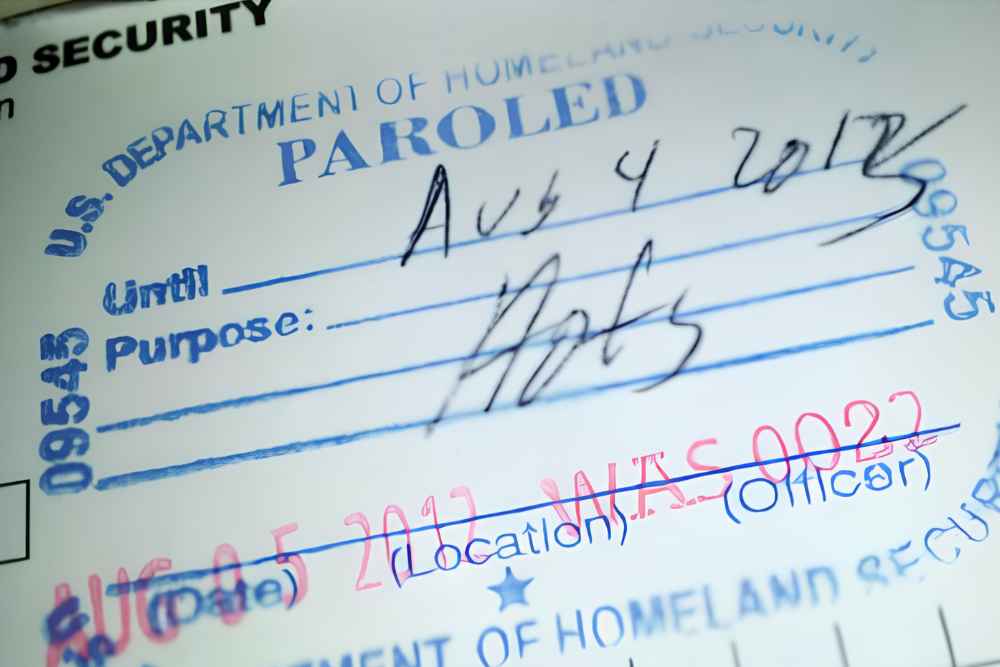
If you have advance parole, receiving that approval may feel like a green light to visit family, attend an important event, or handle an emergency outside the United States.
A new immigration decision means some travelers should pause before booking a flight.
On August 13, 2026, the Board of Immigration Appeals issued a decision called Matter of Delcarmen-Lara. The Board ruled that leaving the United States with advance parole can count as a “departure” for purposes of the unlawful-presence rules.
For some people, that departure could activate a three-year or ten-year immigration bar.
This does not mean that everyone with advance parole is at risk. It does mean that an approved travel document may not tell the whole story. Before traveling, it is important to review your immigration history and determine whether you accumulated unlawful presence.
The most important points
- Advance parole does not automatically protect a traveler from the unlawful-presence bars.
- More than 180 days of unlawful presence may lead to a three-year bar after departure.
- One year or more of unlawful presence may lead to a ten-year bar after departure.
- The new decision applies prospectively, meaning it applies going forward.
- The decision does not automatically cancel advance parole, a pending green card application, or a work permit.
- Every traveler’s immigration history must be evaluated individually.
What changed?
For approximately 14 years, many immigrants and attorneys relied on a 2012 decision called Matter of Arrabally and Yerrabelly.
That decision generally allowed a person with advance parole to travel without treating the trip as a departure that activated the unlawful-presence bars.
The Board of Immigration Appeals has now overruled that decision.
In Matter of Delcarmen-Lara, the Board concluded that immigration law does not create a special exception for someone who leaves the country with advance parole.
USCIS then added an alert to its official unlawful presence and inadmissibility guidance.
According to USCIS, a person who leaves the United States with advance parole after August 13, 2026, may trigger an unlawful-presence bar if that person previously accumulated more than 180 days of unlawful presence.
What is unlawful presence?
Unlawful presence generally refers to time spent in the United States without being admitted or paroled, or after an authorized period of stay has expired.
Although that definition sounds simple, calculating unlawful presence is often complicated.
Certain periods may not count. A person’s age, immigration applications, deferred action, court proceedings, authorized stays, and other circumstances can affect the calculation.
That is why people should not assume they have unlawful presence simply because a visa expired. They also should not assume that they have no unlawful presence because USCIS approved a work permit, advance parole document, or pending application.
How do the three-year and ten-year bars work?
The three-year bar may apply when a person:
- Accumulates more than 180 days but less than one year of unlawful presence during a single stay;
- Leaves the United States; and
- Seeks admission again within three years of leaving.
The ten-year bar may apply when a person:
- Accumulates one year or more of unlawful presence during a single stay;
- Leaves or is removed from the United States; and
- Seeks admission again within ten years.
The new decision changes how travel with advance parole fits into these rules.
Previously, many applicants understood that advance-parole travel would not count as the departure that activated the bar. That protection can no longer be assumed for departures taking place under the new rule.
Does advance parole still allow you to travel?
Advance parole remains a valid travel document. However, approval does not guarantee that travel is safe or that a person will be admitted back into the United States.
When USCIS approves advance parole, the agency may not have made a final decision about:
- Whether the traveler accumulated unlawful presence;
- Whether a statutory exception applies;
- Whether the traveler has a prior removal order;
- Whether another ground of inadmissibility applies;
- Whether the pending green card application can be approved; or
- Whether the traveler qualifies for a waiver.
Think of advance parole as permission to present yourself for parole when returning. It is not a promise that your departure will have no immigration consequences.
Who should be particularly careful?
This decision may be especially important for people who:
- Have a pending Form I-485 green card application;
- Received a Form I-512L advance parole document;
- Previously lived in the United States without lawful status;
- Remained in the country after an authorized stay expired;
- Received DACA after potentially accumulating unlawful presence;
- Have a previous removal or deportation order;
- Have been in immigration court; or
- Are unsure whether a particular period counted as unlawful presence.
The person involved in Matter of Delcarmen-Lara was a DACA recipient, but the decision is not limited to DACA cases.
At the same time, not every DACA recipient or green card applicant has unlawful presence. Each person’s timeline is different.
Who may not be affected?
A person may not trigger an unlawful-presence bar if:
- The person accumulated no unlawful presence;
- The person accumulated 180 days or less;
- The relevant period is excluded under immigration law;
- A statutory exception applies;
- The applicable bar has already expired; or
- The person qualifies for a waiver or another form of relief.
A reliable analysis normally requires more than checking the expiration date on a visa.
An attorney may need to review I-94 records, immigration applications, receipt notices, entries and departures, court documents, deferred-action periods, and any previous immigration decisions.
What about people who traveled before August 13, 2026?
The Board specifically considered whether the new rule should apply to earlier travel. It decided to apply the new interpretation prospectively because people had relied on the previous rule for many years.
USCIS identifies August 13, 2026, as the date of the change.
Someone who departed before that date should still have the trip reviewed individually. Other issues, such as prior removal orders, unlawful reentry, or separate grounds of inadmissibility, may remain relevant.
If you are currently outside the United States, recently returned, or departed close to August 13, speak with an immigration attorney about your specific timeline.
Does the decision cancel a pending green card case?
No. The decision does not automatically cancel:
- A pending Form I-485;
- A work permit;
- An advance parole document; or
- An approved family petition.
The primary concern arises when a person with enough unlawful presence leaves the United States and activates an immigration bar.
That bar could affect the person’s return or eligibility for a green card. A waiver may be available in some cases, but the requirements are strict and not everyone qualifies.
What should you do before traveling?
If you have advance parole and are considering international travel, take these steps before leaving:
- Do not rely only on the approval notice. Advance parole approval does not confirm that your departure is legally safe.
- Create a complete immigration timeline. Include every entry, departure, visa expiration, application, court case, and period of deferred action.
- Review your I-94 history. Make sure your entry and authorized-stay records are accurate.
- Calculate unlawful presence carefully. Some periods count, while others may be excluded.
- Check for previous removal orders. A removal order can create risks separate from unlawful presence.
- Consider whether a waiver is available. Do this before departing, not after a problem occurs.
- Avoid nonrefundable travel plans until the review is complete.
Even if you need to travel for a family emergency, medical issue, or another urgent reason, try to obtain legal advice before leaving the United States.
Get answers before you leave
Travel is often personal. You may be hoping to see a parent, attend a wedding, visit a sick relative, or take care of an urgent family responsibility.
The purpose of reviewing your case is not to create unnecessary fear. It is to identify risks before a temporary trip creates a long-term immigration problem.
Arce Immigration Law helps individuals and families with green cards, adjustment of status, and family immigration matters. Our team can review your immigration history, calculate possible unlawful presence, and explain how the new decision may affect your travel plans.
If you have advance parole and are considering leaving the United States, schedule a personalized consultation with Arce Immigration Law or call +1 305-330-6262.
Frequently asked questions
Can I still travel with advance parole?
Possibly. The new decision does not prohibit all advance-parole travel. Your individual immigration history will determine whether leaving could trigger an unlawful-presence bar or another problem.
Does advance parole automatically trigger a ten-year bar?
No. The traveler must first have accumulated the amount of unlawful presence required by law. The new decision changes whether traveling with advance parole counts as a departure that can activate the bar.
Does the decision affect travel before August 13, 2026?
The Board said its new interpretation applies prospectively. Earlier travel should still be reviewed for other possible immigration consequences.
Does an approved advance parole document guarantee that I can return?
No. Advance parole allows you to request parole when returning to the United States. It does not guarantee admission or eliminate every possible ground of inadmissibility.
Can the unlawful-presence bar be waived?
Some applicants may qualify for a waiver. Eligibility depends on the immigration process, qualifying relatives, hardship evidence, and the person’s complete history. Not everyone qualifies.
This article provides general information and is not legal advice. Immigration consequences depend on each person’s complete history. Laws, agency guidance, and court decisions can change. Reading this article does not create an attorney-client relationship.


